
Toenail Fungus Laser Treatment: Why Creams Struggle and Light Can Help
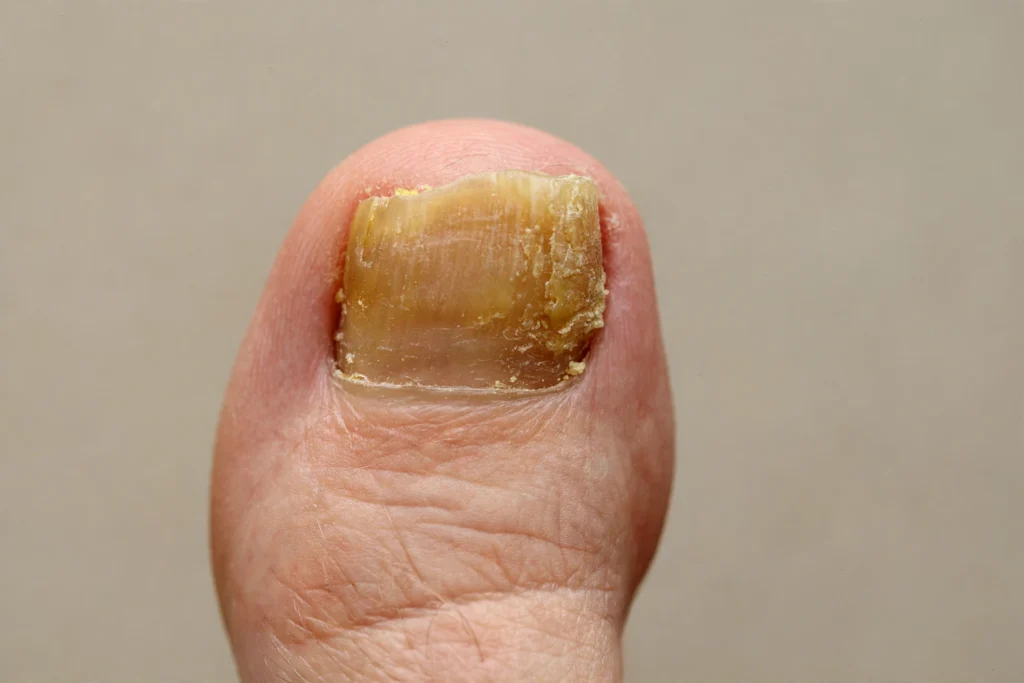
Toenail fungus laser treatment is a question many people ask only after years of hiding their feet. If you have spent summers in socks, avoided swimming, or skipped a pedicure because of a thick, yellow, or crumbling toenail, you are not alone. Creams and lacquers can help some people, but for many they never seem to reach the problem. We explain why that happens, how laser light is different, what we cover at a consultation, and what honest expectations look like.
This is not a promise that laser will clear your nail in weeks. Toenails grow slowly, and any honest plan has to respect that. This page is general information, so you can come to a consultation with better questions instead of buying another bottle and hoping.
Toenail Fungus Laser Treatment: Why Creams Often Struggle
A toenail is a barrier. It is made of dense keratin, the tough protein that makes nails hard, and it protects the toe underneath. That same barrier makes treatment difficult. Fungus often lives under the nail and in the nail bed, not only on the surface you can see. A cream or lacquer sits on top of the nail, and it has to soak through layer after layer before it can reach the fungus at all.
That is why many people use a product exactly as directed for months and see little change. The surface may look slightly better for a while, then the discolouration returns when they stop. It is not always because they did the treatment wrong. It is because the treatment never reached the place where the fungus lives.
Filing the nail can help a topical product reach a little further, but filing alone does not solve the barrier problem, and over filing can damage the nail and the skin around it. Tablets can work for some people because they travel through the body to the nail, but they are not suitable for everyone, and they need medical assessment, including checks on liver health and other medicines. That is a decision for a clinician, not a product label.
So the question is fair: if creams cannot get through, and tablets are not right for everyone, what else can reach the fungus? That is where light comes in, and where toenail fungus laser treatment enters the conversation.
How Light Is Different From a Cream
Light does not need to soak in the way a cream does. Certain laser wavelengths can pass through the nail to the tissue underneath, in the same way sunlight passes through a window. Once the light reaches the area under the nail, it can act on the fungus where it lives, rather than only treating the surface.
That idea is simple, and it is also easy to oversell. Not every light works. A weak light, or a light at the wrong wavelength, may glow nicely and do nothing useful, because the top of the nail simply absorbs it. A light that cannot get through the nail is not a treatment, however bright it looks. The wavelength, the power, the way it is delivered, and the condition of the nail all matter.
We treat toenail fungus with K-Laser Blue. It uses two wavelengths, blue and infrared light, for deep tissue therapy and for superficial skin conditions.
If you are considering toenail fungus laser treatment, your consultation is where the details belong: which device we would use, whether your nail and skin are suitable, how many sessions we might plan, and what aftercare looks like. We will answer all of that before you decide anything.
What Happens at a Consultation
A good consultation starts before any treatment. With us, it always starts with a full consultation, followed by a course planned around you rather than treating one problem in isolation. For toenail fungus, that means we will ask how long the nail has been affected, how many nails are involved, what you have already tried, whether the skin around the nail is sore or broken, and whether you have diabetes, poor circulation, a weak immune system, or medicines that affect healing.
We will also look at the nail and the surrounding skin, and check whether the problem is definitely fungal. Not every thick or discoloured nail is fungus. Trauma, psoriasis, eczema, and other skin conditions can look similar, and treating the wrong condition wastes time. If the diagnosis is unclear, we may suggest further assessment before laser is discussed at all.
We will also ask about pain, smell, discharge, redness, swelling, or a nail that is lifting, bleeding, or causing trouble walking. Those signs need medical assessment, and they may change the plan. We take time over them because rushing past them is not thorough enough.
Bring a list of products and treatments you have tried, and how long you used each one. Bring a note of any tablets you were offered and why you did or did not take them. That history helps us judge what has already failed and why, instead of repeating it.
Toenail Fungus Laser Treatment: What to Expect, Honestly
Laser treatment for toenail fungus is usually a course, not a single quick fix, although the exact plan depends on you, your nail, and our assessment. Sessions are usually spaced apart, and progress is judged over months, not days, because toenails grow slowly. A toenail can take many months to grow out fully, and the old, damaged part has to grow out while clearer nail grows through from the base.
That slow growth is the part most adverts skip. You may not see a visible change in the first week or two, even if the treatment is working underneath. The first change many people notice is clearer nail starting to grow from the base, while the tip still looks damaged. That is normal, and it is why photographs taken in the same light, weeks apart, help judge progress fairly.
We cannot promise your nail will be clear in six weeks, or that the fungus will never return, and no honest clinic can. Fungus can return, especially if shoes stay warm and damp, if the same footwear is worn without drying, or if another nail is already affected. Aftercare matters: keep feet clean and dry, change socks, let shoes dry out, avoid sharing towels and nail tools, and treat any athlete’s foot at the same time, because the same fungus can live on the skin between the toes.
During a laser session, you may feel warmth in the treated area. Discomfort varies by person and by nail, and it is usually brief. We will explain what to expect, what eye protection or other safety steps we use, and what to do afterwards. If you do feel pain, tell us and we can pause or adjust the session.
Is Laser Safe, and Who Should Pause First
Our laser treatments are non invasive, with minimal downtime. That does not mean it is suitable for everyone, or that it has no risks. The skin around the nail can become red, warm, or tender after treatment, and the nail itself may look darker or more obvious for a short time before it starts to improve. Those effects are usually temporary, but they should be discussed before you decide.
You should seek medical advice first, and pause any cosmetic laser plan, if you have an open wound, spreading redness, pus, severe pain, fever, a foot ulcer, or a nail that is bleeding or lifting with pain, especially if you have diabetes or poor circulation. A foot ulcer or infection needs podiatry or medical assessment first, not laser. You can read more about foot care on our podiatry treatment page.
Tell us about diabetes, poor circulation, immune suppression, cancer, pregnancy, medicines that affect healing or clotting, and any history of keloid scarring or skin sensitivity. Tell them about recent sun exposure, tanning, or skin treatments on the foot. Those details change the risk assessment, and we will want to know them before treatment.
If you are unsure whether laser is suitable, the consultation itself is the right place to find out. A good outcome from a consultation can be a decision not to have laser yet, or to have a different assessment first. That is not a wasted appointment. It is safe care.
Creams, Tablets, and Laser: A Fair Comparison
Creams and lacquers are the usual first step. They are easy to use at home, and they can help mild cases, especially if the infection is mainly on the surface and the nail is not very thick. Their limit is penetration. They struggle to reach fungus under a thick nail, and they need months of consistent use.
Tablets travel through the body, so they can reach the nail from underneath. For some people they work well. Their limits are different: they need medical assessment, they can interact with other medicines, and they are not suitable for everyone, including some people with liver problems or certain other conditions. Blood tests are sometimes needed, and side effects need to be discussed honestly before you start.
Laser with us sits between those two ideas. It aims light through the nail to the fungus underneath, without a tablet travelling through the whole body. Its limits are also real: it is not a guaranteed cure, it usually needs a course and months of nail growth to judge, it costs more than a cream, and it does not prevent reinfection on its own. Shoes, socks, hygiene, and treating athlete’s foot all still matter.
Cheap home lights are a fourth option people ask about, and they deserve a plain answer. Some use wavelengths that stay on the surface, so they cannot reach the fungus. Others treat one toe at a time, which makes a daily routine hard to keep up if several toes are affected. A home device is not the same as a laser session with us. We do not sell home devices, so we cannot recommend one.
The fair question is not which option is best in general. It is which option fits your nail, your health, your history, and what you have already tried. That is a consultation question, not a shopping question.

Why Fungus Comes Back, and How to Reduce the Risk
Fungus loves warm, damp places. Shoes that stay damp, socks worn all day, communal showers, swimming pools, and shared towels can all help it spread or return. Even if a nail starts to improve, the fungus can still be present on the skin or in footwear, so the same nail can become infected again.
Simple habits help, and they cost little. Keep feet clean and dry, especially between the toes. Change socks if they become damp. Let shoes dry out fully between wears, and rotate pairs if you can. Wear clean socks and breathable shoes where possible. Do not share nail clippers, files, or towels. Treat athlete’s foot promptly, because the same fungus often lives on the skin as well as the nail.
If you visit a nail salon, choose one with good hygiene, and tell them about any fungal infection before treatment. Do not have a cosmetic pedicure over an open wound, spreading infection, or painful nail without medical advice first. If in doubt, ask a clinician or podiatrist.
These habits do not guarantee the fungus will not return, but they give any treatment a better chance, and they are worth doing whether you choose cream, tablets, laser, or a combination discussed at consultation.
Frequently Asked Questions
How long does toenail fungus laser treatment take to show a result?
Toenails grow slowly, so visible improvement takes weeks to months, not days. Clearer nail usually starts to grow from the base, while the old damaged nail grows out over time. We will explain how progress will be judged and when to return for review, rather than promising a date for a clear nail.
Does laser treatment hurt?
Many people feel warmth during treatment, and discomfort varies by person and by nail. It is usually brief. Tell us if you feel pain, and we can pause or adjust the session. Do not assume that pain means the treatment is working better.
Can laser cure toenail fungus?
No treatment can honestly promise a cure for everyone. Laser can help some people, but results vary, and fungus can return, especially if shoes and hygiene are not addressed. We will never guarantee a cure, because no honest clinic can.
What if I have diabetes or poor circulation?
Tell us before any laser treatment. Diabetes and poor circulation can affect healing, sensation, and foot health, and they change the risk assessment. Foot wounds, ulcers, or infection need medical or podiatry assessment first. You can read our fungal nails guide for West Hampstead for the wider picture on fungal nails and when to seek help fast.
Should I stop creams if I have laser?
Do not stop a prescribed treatment without asking the clinician who prescribed it. At your consultation we will discuss whether creams, filing, or other care should continue alongside laser, and what aftercare is advised. A plan that combines approaches should be decided with us, not by stopping one treatment to try another.
When should I seek help urgently?
Seek medical advice promptly if you have spreading redness, pus, severe pain, fever, a foot ulcer, a bleeding nail, or a rapidly worsening foot problem, especially with diabetes or poor circulation. Contact a GP, a podiatrist, or NHS 111 for advice on where to go promptly.
A Simple Plan to Take Away
First, check the diagnosis, because not every thick or discoloured nail is fungus. Second, weigh creams, tablets, and laser honestly, including penetration, suitability, cost, and time. Third, expect slow nail growth, and judge progress over months with photographs in the same light. Fourth, keep feet dry, treat athlete’s foot, and look after shoes and socks, because reinfection is common. Fifth, seek medical advice promptly for wounds, spreading infection, or foot problems with diabetes or poor circulation.
Hiding your feet for years is understandable, and it can affect confidence, holidays, swimming, and everyday comfort. That does not mean every promise should be believed, and it does not mean a quick fix is the right fix. The best plan is one that starts with a consultation, respects slow nail growth, and gives you a clear picture of what laser can and cannot do for your nail.
If you live in West Hampstead or nearby, and you would like to discuss laser for toenail fungus, you can contact The Wellness & Beauty Clinic at 43 Mill Lane, London NW6 1NB, on 07956 728936, or by email at info@thewellnessandbeautyclinic.co.uk. We are open Monday to Saturday, 10:00 to 18:30. You can also read more on our laser treatment page, our homepage, and our blog. Contact us to book a consultation and find out what assessment involves. We will talk about cost at your consultation.
Find out about laser treatment at the clinic
This article is general information only and is not medical advice. If you have a foot ulcer, spreading redness, pus, severe pain, fever, or a rapidly worsening foot problem, seek medical advice promptly.