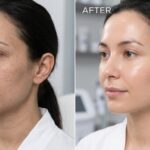
Pigmentation and uneven skin tone rank among the most common skin concerns raised by clients at The Wellness and Beauty Clinic, affecting people across a wide range of ages and skin types. Whether caused by sun exposure, hormonal changes, inflammation, or genetics, understanding how to reduce pigmentation and uneven skin tone requires a combination of the right in-clinic treatments and consistent daily habits. This article explores the underlying causes of pigmentation, the most effective treatment options available, and practical steps you can take at home to support your results.
Understanding the Different Types of Pigmentation
Not all pigmentation is the same, and understanding which type you are dealing with plays a significant role in determining the most effective treatment approach.
Sun-Induced Pigmentation
Also known as sunspots or solar lentigines, this type of pigmentation develops from cumulative sun exposure over years or decades, typically appearing as flat, brown patches on areas frequently exposed to sunlight, such as the face, hands, and décolletage.
Melasma
Melasma is a more complex form of pigmentation strongly linked to hormonal fluctuations, often triggered or worsened by pregnancy, hormonal contraception, or hormone replacement therapy. It typically appears as larger, symmetrical patches, most commonly across the cheeks, forehead, and upper lip, and tends to be more resistant to treatment than sun-induced pigmentation alone.
Post-Inflammatory Hyperpigmentation
This type of pigmentation develops following skin trauma or inflammation, such as acne, eczema flare-ups, or injury, leaving behind darker marks as the skin heals. It is particularly common in clients with darker skin tones, where the skin’s inflammatory response tends to produce more noticeable pigmentation changes.
Age-Related Pigmentation Changes
As skin ages, pigment-producing cells can become less evenly distributed across the skin, leading to a generally uneven or blotchy complexion even without clearly defined spots or patches, a common concern among clients in their forties and beyond.
What Causes Pigmentation to Develop and Worsen
Understanding the underlying triggers behind pigmentation helps clarify why certain treatments and preventative habits matter so much.
Ultraviolet Radiation Exposure
UV exposure remains the single most significant trigger for most forms of pigmentation, stimulating melanin production as the skin’s natural defence mechanism against sun damage. Even brief, repeated sun exposure over years can contribute significantly to visible pigmentation over time.
Hormonal Fluctuations
Hormonal changes, whether from pregnancy, contraception, or natural life stages such as perimenopause, can stimulate melanin-producing cells, contributing particularly to conditions like melasma that are notoriously difficult to treat using sun protection alone.
Skin Inflammation and Irritation
Any form of skin trauma or inflammation, from acne to aggressive exfoliation, can trigger a pigmentation response as part of the skin’s natural healing process, making gentle, appropriate skincare particularly important for those prone to post-inflammatory pigmentation.
Effective In-Clinic Treatments for Pigmentation
At The Wellness and Beauty Clinic, we offer a range of treatments specifically suited to addressing different types and severities of pigmentation.
Chemical Peels
Chemical peels use active acids to accelerate skin cell turnover, helping to fade pigmentation while revealing fresher, more evenly toned skin beneath. Different peel strengths and formulations suit different pigmentation types and skin sensitivities, making a proper consultation essential to determine the right approach for you.
Laser and Light-Based Treatments
Certain laser and light-based technologies target pigment directly within the skin, breaking it down so it can be naturally cleared by the body over the following weeks. These treatments can be particularly effective for sun-induced pigmentation and certain types of post-inflammatory marks, though careful patient selection is essential given the risk of worsening pigmentation in certain skin types if used inappropriately.
Microneedling
Microneedling can help improve overall skin tone and texture by stimulating collagen production and improving the penetration of brightening active ingredients applied during treatment, making it a useful complementary option alongside other pigmentation-focused treatments.
Medical-Grade Skincare Programmes
For many clients, particularly those dealing with melasma, a structured medical-grade skincare programme combining ingredients such as vitamin C, niacinamide, and prescription-strength brightening agents forms the backbone of an effective, sustainable treatment approach.
Building an Effective At-Home Routine
In-clinic treatments work best when supported by a consistent, appropriately formulated daily skincare routine.
The Essential Role of Daily SPF
No pigmentation treatment can succeed long-term without consistent daily sun protection. UV exposure directly stimulates melanin production, meaning even the most effective in-clinic treatment can be undermined by inadequate sun protection between sessions.
Incorporating Vitamin C
Vitamin C is a well-researched antioxidant known for its ability to brighten skin tone and inhibit excess melanin production, making it a valuable addition to a daily morning skincare routine for clients dealing with pigmentation concerns.
Using Niacinamide for Tone Evenness
Niacinamide helps regulate melanin transfer within the skin, gradually improving overall tone evenness while also supporting the skin’s barrier function, making it a gentle yet effective option suitable for most skin types, including more sensitive skin prone to irritation from stronger actives.
Considering Retinoids for Cell Turnover
Retinoids accelerate skin cell turnover, helping to fade existing pigmentation more quickly while also preventing the build-up of new pigmented cells at the skin’s surface, though they should be introduced gradually to avoid irritation, particularly in clients with sensitive or reactive skin.
Why Melasma Requires a Different Approach
Melasma deserves particular attention given how differently it behaves compared to other, more straightforward forms of pigmentation.
The Challenge of Hormonal Triggers
Because melasma is closely linked to hormonal fluctuations, it can be more resistant to standard pigmentation treatments and prone to recurrence, particularly if hormonal triggers such as pregnancy or certain contraceptives remain present.
The Risk of Treatment-Induced Flare-Ups
Certain treatments, particularly more aggressive laser or peel treatments, can actually worsen melasma in some clients by triggering additional inflammation. This is why a careful, conservative treatment approach, combined with a thorough consultation, is particularly important for clients dealing specifically with melasma.
A Long-Term Management Approach
Rather than viewing melasma as something to be permanently eliminated in a single treatment course, most practitioners approach it as an ongoing condition requiring long-term management through a combination of appropriate treatments, diligent sun protection, and consistent medical-grade skincare.
How Pigmentation Treatment Fits Into a Broader Skin Health Plan
Pigmentation rarely exists in isolation, and many clients are simultaneously dealing with other skin concerns that benefit from a coordinated treatment approach.
Combining Pigmentation Treatment With Anti-Ageing Goals
Many clients addressing pigmentation are also interested in broader anti-ageing concerns, and our guide to the best anti-ageing treatments for women over 40 explores how these treatment goals can be combined effectively within a single treatment plan.
Pairing With Skin Tightening Treatments
Clients with both pigmentation and skin laxity concerns often benefit from combining pigmentation-focused treatments with non-surgical options covered in our article on skin tightening treatments without surgery, addressing both tone and firmness concerns together.
What to Expect During Your Pigmentation Consultation
A proper consultation is essential for accurately identifying your specific type of pigmentation and building an appropriate treatment plan, closely following the process outlined in our article on what happens during an aesthetic consultation.
Identifying Your Specific Pigmentation Type
Your practitioner will examine your pigmentation closely, often using specialised lighting or imaging technology to better understand its depth and pattern, helping distinguish between conditions like sun-induced pigmentation, melasma, and post-inflammatory marks.
Discussing Your Triggers and History
Understanding what may have triggered or worsened your pigmentation, including sun exposure history, hormonal factors, or previous skin trauma, helps your practitioner recommend the most appropriate and effective treatment approach for your specific situation.
Realistic Timelines for Seeing Results
Patience is essential when treating pigmentation, as meaningful improvement typically develops gradually rather than overnight.
Why Pigmentation Treatment Takes Time
Because pigmentation exists at different depths within the skin, and because skin cell turnover naturally takes several weeks, visible improvement from most pigmentation treatments generally becomes apparent over a period of six to twelve weeks, with continued improvement often seen over several months of consistent treatment.
The Importance of Consistency
Skipping treatments or inconsistently applying recommended skincare products significantly reduces the effectiveness of your overall pigmentation treatment plan, making consistency one of the most important factors in achieving genuinely lasting results.
Why Choose The Wellness and Beauty Clinic for Pigmentation Treatment
Choosing an experienced provider matters considerably when treating pigmentation, given the risk of worsening certain conditions through inappropriate treatment selection.
Accurate Diagnosis and Treatment Selection
Our practitioners bring genuine clinical expertise to accurately identifying your specific pigmentation type, ensuring you receive a treatment plan genuinely suited to your skin rather than a generic, one-size-fits-all approach.
A Conservative, Safety-First Approach
We prioritise safe, appropriately paced treatment, particularly for clients with more reactive skin or conditions like melasma, avoiding overly aggressive approaches that risk worsening pigmentation rather than improving it.
Ongoing Support Between Treatments
We provide clear, practical guidance on supporting your treatment plan at home, ensuring you understand exactly how to protect and maintain your results between in-clinic sessions.
Book Your Pigmentation Consultation
If pigmentation or uneven skin tone is affecting your confidence, booking a consultation is the best way to understand your options. Visit The Wellness and Beauty Clinic to explore our full treatment range and arrange your personalised assessment.
Frequently Asked Questions
How long does it take to see results from pigmentation treatment?
Most clients begin noticing improvement within six to twelve weeks of starting a consistent treatment plan, though full results often continue developing over several months, particularly for more stubborn pigmentation like melasma.
Can pigmentation come back after treatment?
Yes, particularly if sun protection is not maintained consistently or if underlying triggers, such as hormonal factors in melasma, remain present. Ongoing sun protection and maintenance treatments are often necessary to sustain results long-term.
Is laser treatment safe for all skin tones when treating pigmentation?
Not all laser technologies are suitable for every skin tone, and using inappropriate settings on darker skin can actually worsen pigmentation. A thorough consultation is essential to select a treatment approach that is genuinely safe for your specific skin type.
What is the most important daily habit for preventing pigmentation?
Consistent daily sun protection is by far the most important habit for both preventing new pigmentation and protecting the results of any in-clinic treatment you undergo.
Can I treat pigmentation at home without in-clinic treatment?
While a good at-home skincare routine using ingredients like vitamin C and niacinamide can help improve mild pigmentation, more stubborn or extensive pigmentation typically requires professional in-clinic treatment for meaningful, lasting improvement.