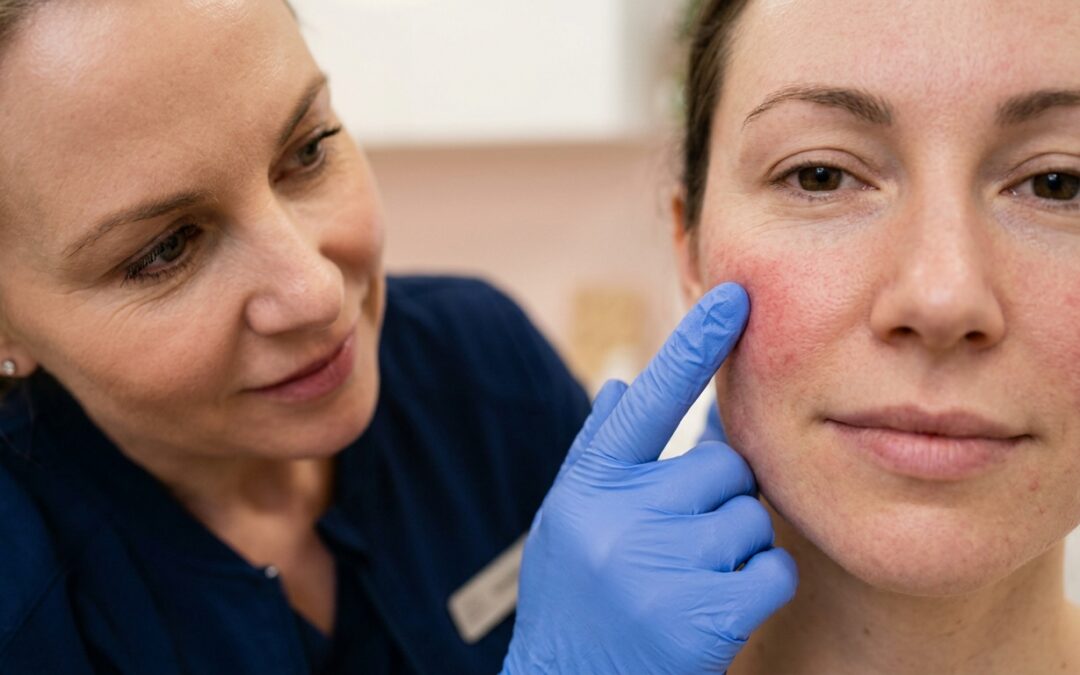
Facial redness is one of the most emotionally frustrating skin concerns clients bring to The Wellness and Beauty Clinic, often because it feels so visible and difficult to conceal with makeup alone. Whether it appears as persistent flushing, visible broken capillaries, or blotchy patches that flare with certain triggers, understanding facial redness causes and treatment options is the first step toward calmer, more even-looking skin. This article explores the underlying causes behind different types of facial redness and the treatments that genuinely help address them.
Understanding the Different Types of Facial Redness
Facial redness is not a single condition but a symptom that can stem from several distinct underlying causes, each requiring a different treatment approach.
Rosacea and Chronic Flushing
Rosacea is a chronic skin condition characterised by persistent facial redness, often accompanied by visible blood vessels, sensitivity, and in some cases, small bumps resembling acne. It typically affects the central face, including the cheeks, nose, and forehead, and tends to worsen over time without appropriate management, making early, proper treatment particularly valuable for preventing progression.
Many people live with rosacea for years before receiving a proper diagnosis, often mistaking it for simple sensitivity or sunburn-prone skin. Because rosacea symptoms can fluctuate significantly, with periods of remission followed by flare-ups, a proper clinical assessment is essential for distinguishing it from other causes of facial redness and building an appropriately targeted treatment plan.
Broken Capillaries and Visible Blood Vessels
Also known as telangiectasia, broken capillaries appear as fine, visible red or purple lines just beneath the skin’s surface, most commonly on the cheeks and around the nose. These occur when small blood vessels become permanently dilated, often due to a combination of genetic predisposition, sun damage, and repeated temperature extremes affecting the skin over many years.
Unlike temporary flushing, broken capillaries do not resolve on their own and typically require professional treatment to address effectively, since no amount of skincare or lifestyle adjustment can reverse blood vessels that have already become permanently dilated beneath the skin’s surface.
Reactive Sensitivity and Irritation
Some individuals experience facial redness primarily as a reaction to external triggers, such as certain skincare ingredients, weather changes, or spicy foods, without an underlying chronic condition like rosacea. This type of reactive redness tends to be more temporary and closely linked to identifiable triggers, though repeated irritation over time can still contribute to more persistent redness and a compromised skin barrier if not properly managed.
Post-Inflammatory Redness
Redness can also develop following skin trauma or inflammation, such as acne breakouts, aggressive extractions, or overly harsh treatments, leaving behind lingering redness even after the original irritation has resolved. This type of redness often fades gradually on its own but can be accelerated with appropriate treatment, particularly in clients whose skin tends toward prolonged inflammatory responses.
What Triggers Facial Redness to Worsen
Identifying your specific triggers is often just as important as understanding the underlying cause, since managing triggers can significantly reduce the frequency and severity of flare-ups.
Temperature Extremes and Weather Changes
Sudden shifts between hot and cold environments, whether from stepping outside into cold UK winters after time in a heated room, or from hot showers and saunas, commonly trigger flushing and worsen visible redness. This is because temperature extremes cause blood vessels near the skin’s surface to rapidly dilate or constrict, producing the visible flushing many clients describe as their most frustrating trigger.
Wind exposure presents a similar challenge, particularly for clients with rosacea or reactive skin, since cold wind can strip the skin’s protective barrier while simultaneously triggering a flushing response, making outdoor activity during colder months a genuine challenge for some individuals.
Dietary and Lifestyle Triggers
Alcohol, spicy foods, and hot beverages are among the most commonly reported triggers for facial flushing, particularly in clients with rosacea. While these triggers vary significantly between individuals, keeping a simple diary tracking flare-ups alongside diet and lifestyle factors can help identify personal patterns worth addressing.
Stress and intense exercise can also trigger visible flushing due to increased blood flow and elevated body temperature, and for clients whose redness is significantly stress-related, incorporating stress management techniques alongside professional treatment often produces more noticeable improvement than treatment alone.
Skincare Products and Ingredients
Certain skincare ingredients, particularly strong exfoliating acids, fragrance, and alcohol-based products, can trigger or worsen redness in sensitive or reactive skin. Building a gentler, more barrier-supportive skincare routine is often an essential first step for clients dealing with persistent facial redness, regardless of the underlying cause.
Professional Treatment Options for Facial Redness
At The Wellness and Beauty Clinic, we offer several treatment approaches specifically suited to addressing different types and severities of facial redness.
Laser and Light-Based Treatments
Certain laser and intense pulsed light technologies specifically target the haemoglobin within visible blood vessels, gradually causing them to collapse and fade from view over the following weeks. This approach is particularly effective for treating broken capillaries and can also help reduce the overall background redness associated with rosacea, though results typically require a course of sessions rather than a single treatment.
These treatments work by delivering targeted light energy that is absorbed specifically by the pigment within blood, minimising impact on the surrounding skin while effectively addressing the visible vessels causing persistent redness. Many clients notice a gradual, cumulative improvement in overall skin tone evenness as treatment progresses through the recommended course.
Medical-Grade Skincare for Rosacea Management
For clients with rosacea, a carefully selected medical-grade skincare routine forms an essential foundation of ongoing management, often incorporating gentle, anti-inflammatory ingredients alongside barrier-supportive formulations designed specifically for reactive, easily irritated skin. Harsh or overly active products are generally avoided, since they risk triggering further flare-ups rather than calming existing redness.
Prescription-strength topical treatments may also be recommended for certain rosacea presentations, working to reduce inflammation and visible redness over a period of consistent use, often used alongside in-clinic laser treatment for a more comprehensive management approach.
Calming Facials and Treatments
Gentle, redness-focused facials incorporating cooling and anti-inflammatory ingredients can help soothe reactive skin and temporarily reduce visible redness, offering a supportive addition to more targeted treatments like laser therapy, particularly for clients whose skin benefits from regular, gentle professional care between more intensive sessions.
Building a Redness-Friendly Skincare Routine
Alongside professional treatment, a carefully considered daily routine plays a significant role in managing facial redness long-term.
Choosing Gentle, Fragrance-Free Products
Fragrance is one of the most common triggers for sensitive, redness-prone skin, making fragrance-free formulations an important consideration when building a supportive skincare routine. Similarly, avoiding harsh sulphates and overly active exfoliants helps prevent unnecessary irritation that could otherwise trigger or worsen visible redness.
The Importance of Daily Sun Protection
UV exposure is a well-documented trigger for both rosacea flare-ups and the gradual worsening of broken capillaries over time, making consistent daily sunscreen application one of the most important habits for anyone managing facial redness, regardless of the underlying cause or current severity of symptoms.
Incorporating Barrier-Supportive Ingredients
Ingredients such as niacinamide, ceramides, and centella asiatica are well recognised for their ability to support the skin’s barrier function while calming visible inflammation, making them valuable additions to a redness-focused skincare routine when used consistently over time.
How Facial Redness Connects to Other Skin Concerns
Redness often overlaps with other concerns, and addressing it as part of a broader skin health plan tends to produce more satisfying overall results.
Redness and Overall Skin Hydration
Dehydrated, compromised skin is often more prone to visible redness and irritation, and many clients find that improving overall hydration, covered in our guide on how to improve skin hydration and glow, significantly supports their broader redness management plan by strengthening the skin’s protective barrier.
Redness Alongside Pigmentation Concerns
Some clients experience both redness and pigmentation simultaneously, particularly following inflammatory skin conditions. Our article on how to reduce pigmentation and uneven skin tone explores this related concern in further depth, and combined treatment planning often addresses both issues more effectively than treating each in isolation.
What to Expect From a Redness-Focused Consultation
A proper consultation is essential for accurately identifying the specific cause behind your facial redness, following the thorough process described in our article on what happens during an aesthetic consultation.
Distinguishing Between Different Underlying Causes
Your practitioner will carefully assess your skin to distinguish between conditions like rosacea, broken capillaries, and reactive sensitivity, since each requires a meaningfully different treatment approach to achieve genuine, lasting improvement.
Identifying Your Personal Triggers
Understanding your specific triggers, whether dietary, environmental, or product-related, forms an important part of your consultation, helping build a treatment plan that addresses both the visible symptoms and the underlying factors contributing to your redness.
Why Choose The Wellness and Beauty Clinic for Redness Treatment
Treating facial redness effectively requires genuine clinical expertise, particularly when distinguishing between different underlying causes.
Accurate Assessment and Diagnosis
Our practitioners bring genuine clinical knowledge to accurately identifying the specific cause behind your redness, ensuring you receive an appropriately targeted treatment plan rather than a generic approach that may not address your particular concern effectively.
A Gentle, Considered Treatment Approach
We understand that redness-prone skin requires a careful, measured approach, and we prioritise treatments and products that calm rather than further irritate sensitive, reactive skin throughout your treatment journey.
Book Your Redness Consultation
If facial redness has been affecting your confidence, booking a proper consultation is the best way to understand your options. Visit The Wellness and Beauty Clinic to explore our full range of treatments and arrange your personalised assessment.
Frequently Asked Questions
Is facial redness always a sign of rosacea?
No, facial redness can stem from several different causes, including broken capillaries, reactive sensitivity, and post-inflammatory redness. A proper consultation is important for accurately identifying the specific cause behind your symptoms.
Can broken capillaries be treated without laser treatment?
Broken capillaries generally do not resolve through skincare or lifestyle changes alone, since the affected blood vessels are permanently dilated. Laser or light-based treatment is typically the most effective option for meaningfully reducing their visibility.
How many laser sessions are typically needed to treat facial redness?
This varies depending on the severity and underlying cause, though most clients require a course of three to six sessions spaced several weeks apart to achieve optimal, lasting improvement.
Will my rosacea ever fully go away?
Rosacea is generally considered a chronic condition that can be effectively managed but not permanently cured. Consistent treatment and trigger management can significantly reduce symptoms and prevent progression over time.
What skincare ingredients should I avoid if I have facial redness?
Fragrance, alcohol-based products, and overly strong exfoliating acids are commonly associated with worsening facial redness and are generally best avoided in favour of gentler, barrier-supportive formulations.