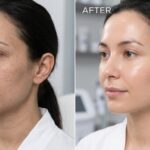
Dull, dehydrated skin is one of the most common concerns clients bring to The Wellness and Beauty Clinic, and it is also one of the most misunderstood. Many people assume dry or lacklustre skin is simply a matter of applying a thicker moisturiser, but genuine skin hydration and a healthy glow depend on a far more layered set of factors, from the skin’s internal barrier function to lifestyle habits and professional treatment support. This article explains how to improve skin hydration and glow properly, covering the science behind hydrated skin, the treatments that make a genuine difference, and the daily habits worth building into your routine.
Why Hydrated Skin Looks and Behaves Differently
Hydration affects far more than how skin feels to the touch. It fundamentally changes how skin looks, how it responds to products, and how effectively it can repair itself day to day.
The Role of Water Content in Skin Cells
Skin cells rely on adequate water content to maintain their plump, healthy structure. When water content drops, cells shrink slightly and the skin’s surface becomes less smooth, which is why dehydrated skin often appears finely lined, dull, and less able to reflect light evenly. This is a distinct issue from dryness caused by a lack of natural oils, and the two are often confused, even though the underlying causes and treatment approaches differ considerably.
Well-hydrated skin cells also support more efficient cell turnover, meaning dead skin cells are shed more effectively and replaced by fresher cells at a healthier rate. This directly influences how radiant skin appears, since a smoother surface reflects light more evenly than a rough, dehydrated one, producing the visible glow so many clients are chasing.
How the Skin Barrier Protects Hydration Levels
The outermost layer of the skin, known as the stratum corneum, functions as a protective barrier that locks moisture in while keeping irritants and pollutants out. When this barrier becomes compromised, whether through harsh skincare products, environmental stress, or age-related changes, water escapes more easily through a process called transepidermal water loss, leaving skin chronically dehydrated no matter how much moisturiser is applied on top.
Supporting and repairing this barrier is often the single most important step in restoring lasting hydration. Products containing ceramides, fatty acids, and cholesterol help rebuild the barrier’s natural structure, while overly aggressive exfoliation or harsh cleansers can strip it further, creating a frustrating cycle that many clients unknowingly fall into while trying to fix dry, dull skin.
Common Causes of Dehydrated, Dull Skin
Understanding what is actually driving your skin’s dehydration helps target the right solution rather than guessing with random products.
Environmental and Climate Factors
The UK’s climate presents a particular challenge for skin hydration, with cold winter air, indoor central heating, and wind exposure all contributing to increased water loss from the skin’s surface. Central heating in particular dramatically reduces indoor humidity, drawing moisture out of the skin throughout the colder months even when the weather outside feels relatively mild.
Air conditioning during warmer months creates a similar effect, and frequent travel between heated or cooled indoor environments and outdoor conditions places additional stress on the skin’s barrier function. Many clients notice their skin feels noticeably different depending on the season, which reflects these very real environmental pressures rather than any flaw in their underlying skincare routine.
Lifestyle Habits That Deplete Hydration
Caffeine and alcohol both have a mild diuretic effect, increasing fluid loss through the body and potentially contributing to skin dehydration if not balanced with adequate water intake. Similarly, diets low in essential fatty acids can compromise the skin’s ability to retain moisture, since these fats form a key structural component of the skin barrier itself.
Sleep quality also plays a significant, often underestimated role. During deep sleep, the skin undergoes much of its repair and regeneration process, and consistently poor or insufficient sleep has been linked to reduced skin barrier function and a duller overall complexion, regardless of how well a person eats or hydrates during waking hours.
Skincare Mistakes That Worsen Dehydration
Over-cleansing, particularly with foaming or sulphate-based cleansers, can strip the skin’s natural oils and disrupt its protective barrier. Similarly, excessive exfoliation, whether through physical scrubs or overly frequent use of chemical exfoliants, can leave skin more vulnerable to water loss and irritation rather than achieving the smoother, brighter result many people are aiming for.
Skipping moisturiser after cleansing, even on oily skin types, is another common mistake. Oily skin can still be dehydrated, and applying an appropriately lightweight, hydrating product after cleansing helps lock in moisture rather than leaving skin exposed to further water loss throughout the day.
Professional Treatments That Restore Hydration and Glow
While a solid home routine matters enormously, professional treatments can accelerate and deepen results in ways home care alone often cannot achieve.
Hydrating Facials
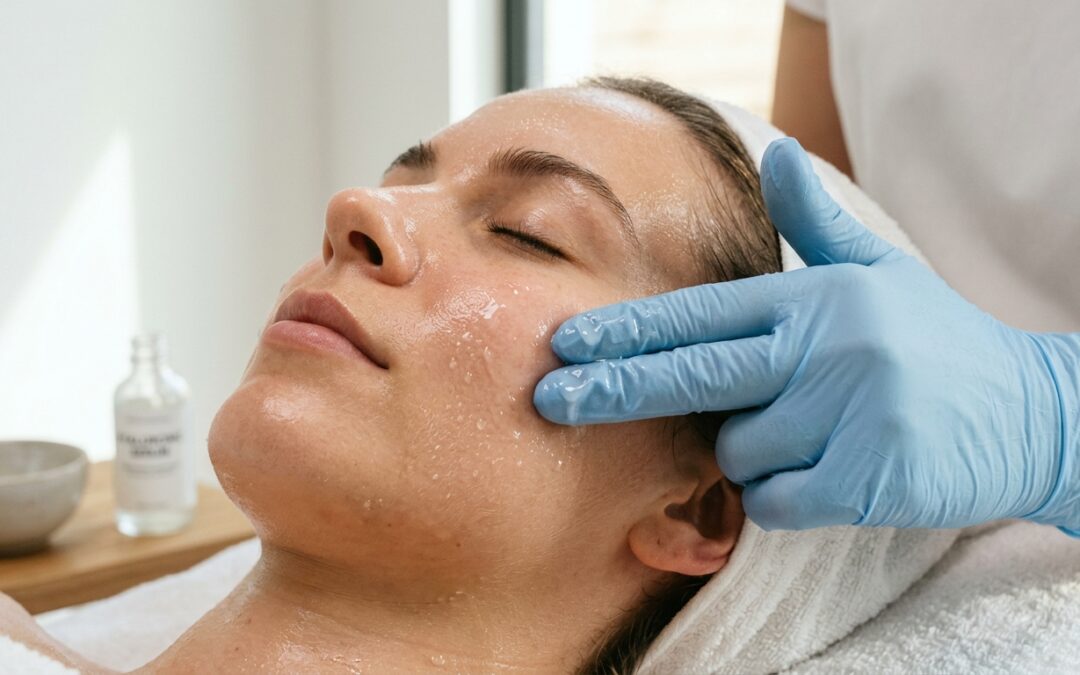
Professional hydrating facials typically combine gentle exfoliation with the application of concentrated hydrating serums, delivered more deeply into the skin than most at-home products can achieve. These treatments often incorporate hyaluronic acid, a naturally occurring molecule capable of holding significant amounts of water within the skin, providing an immediate plumping and brightening effect that many clients notice right after their first session.
Many hydrating facials also include a lymphatic drainage or massage element, which supports circulation and can further enhance the skin’s natural radiance by improving blood flow to the surface. Combined, these elements make professional hydrating facials one of the most popular and effective treatments for clients specifically seeking improved glow and hydration.
Skin Boosters
Skin boosters involve a series of fine injections of stabilised hyaluronic acid distributed evenly across the treatment area, working beneath the skin’s surface to improve hydration, elasticity, and overall skin quality over time. Unlike traditional dermal fillers, which are designed to add volume to specific areas, skin boosters are formulated to spread more evenly, improving the general quality and hydration of the skin itself rather than targeting individual lines or folds.
Results from skin boosters tend to build progressively over a course of sessions, with many clients noticing a marked improvement in skin texture, tone, and glow after their second or third treatment. This treatment pairs particularly well with broader concerns covered in our guide on the best anti-ageing treatments for women over 40, since improved hydration often softens the appearance of fine lines simultaneously.
Microneedling With Hydrating Serums
Microneedling creates controlled micro-channels in the skin, which not only stimulates collagen production but also significantly enhances the penetration of hydrating and brightening serums applied during treatment. This combination allows active ingredients to reach deeper layers of the skin than topical application alone could ever achieve, producing a more pronounced and longer-lasting hydration and glow effect.
Many clients choose to combine microneedling with vitamin-rich or hyaluronic acid-based serums specifically to address dullness and dehydration, and this treatment can be particularly effective when performed as part of a structured course rather than a single isolated session.
Building a Daily Routine That Supports Lasting Hydration
Professional treatments deliver their best results when supported by consistent, well-chosen daily habits.
Choosing the Right Cleanser
A gentle, non-stripping cleanser forms the foundation of any hydration-focused skincare routine. Cream or gel cleansers formulated without harsh sulphates tend to clean effectively while preserving the skin’s natural barrier, whereas foaming cleansers containing strong surfactants can leave skin feeling tight and further compromise its ability to retain moisture over time.
Washing with lukewarm rather than hot water also makes a meaningful difference, since hot water strips natural oils more aggressively than lukewarm water, contributing to further dehydration, particularly during the colder months when skin is already under increased environmental stress.
Layering Hydrating Ingredients Correctly
Applying skincare in the correct order significantly affects how well hydrating ingredients are absorbed and retained. Lighter, water-based serums containing ingredients like hyaluronic acid should generally be applied to slightly damp skin before heavier creams, allowing the serum to draw moisture into the skin before it is sealed in by a nourishing moisturiser layered on top.
Incorporating a facial oil as the final step, particularly during drier months, can further help lock in hydration by creating a protective layer that slows water loss throughout the day or overnight, without necessarily making skin feel greasy if the correct formulation is chosen for your specific skin type.
Supporting Hydration From Within
Adequate water intake supports overall skin hydration, though it is only one piece of the puzzle, since skin hydration also depends heavily on barrier function and topical care. Alongside water intake, ensuring adequate intake of essential fatty acids through foods like oily fish, nuts, and seeds supports the skin’s natural barrier structure from within, complementing whatever topical routine you are following.
How Hydration Connects to Other Skin Concerns
Hydration rarely exists as an isolated concern, and addressing it often supports improvement in other areas simultaneously.
The Link Between Hydration and Fine Lines
Dehydrated skin tends to make fine lines appear more pronounced, since a lack of plumpness accentuates the skin’s surface texture. Many clients exploring the best anti-ageing treatments for women over 40 find that addressing hydration alongside more targeted anti-ageing treatments produces a noticeably fresher, smoother overall result than either approach alone.
Hydration and Skin Tone Evenness
Well-hydrated skin tends to appear more even in tone, since a healthy, intact barrier supports more consistent light reflection across the skin’s surface. Clients dealing with pigmentation, covered in detail in our article on how to reduce pigmentation and uneven skin tone, often find that improving hydration enhances the visible results of their pigmentation treatment plan.
What Happens During a Hydration-Focused Consultation
Understanding your specific hydration needs starts with a proper consultation, following the same thorough process described in our article on what happens during an aesthetic consultation.
Assessing Your Current Skin Barrier Health
Your practitioner will examine your skin closely to assess barrier health, looking for signs of dehydration, sensitivity, or damage that may be affecting your skin’s ability to retain moisture effectively, information that directly shapes which treatments and products are recommended for you.
Identifying Underlying Contributing Factors
A thorough consultation also explores lifestyle and environmental factors that might be contributing to your skin’s dehydration, from climate and skincare habits to diet and sleep quality, ensuring any recommended treatment plan addresses root causes rather than simply masking symptoms temporarily.
Why Choose The Wellness and Beauty Clinic for Hydration Treatments
Selecting a provider with genuine expertise in skin hydration makes a real difference to both safety and results.
Treatments Tailored to Your Specific Skin
We never apply a generic approach to hydration concerns, instead building a treatment plan based on your specific skin type, barrier health, and lifestyle factors, ensuring genuinely effective, long-term results rather than temporary surface improvement.
Combining In-Clinic Treatment With Practical Home Guidance
Alongside professional treatments, we provide clear, practical guidance on building an effective home routine, ensuring the results of your in-clinic treatments are properly maintained and enhanced between appointments.
Book Your Hydration Consultation
If dull, dehydrated skin has been affecting your confidence, a proper consultation is the best place to start. Visit The Wellness and Beauty Clinic to explore our full range of hydration-focused treatments and book your personalised assessment.
Frequently Asked Questions
What is the difference between dehydrated skin and dry skin?
Dry skin lacks natural oils, while dehydrated skin lacks water content and can affect any skin type, including oily skin. Understanding which issue you are dealing with is important for choosing the right products and treatments.
How quickly can I expect to see improvement in my skin’s glow?
Many clients notice an immediate improvement in glow after a professional hydrating facial, while deeper, longer-lasting hydration improvements from treatments like skin boosters typically build over several weeks and multiple sessions.
Can drinking more water alone fix dehydrated skin?
While adequate water intake supports overall skin health, dehydrated skin is often more directly related to a compromised skin barrier, meaning topical care and appropriate professional treatment usually play a larger role than water intake alone.
Is hyaluronic acid suitable for all skin types?
Yes, hyaluronic acid is generally well tolerated across all skin types, including sensitive and acne-prone skin, since it works by attracting and retaining moisture rather than adding oil to the skin’s surface.
How often should I have a hydrating facial or skin booster treatment?
This varies depending on your skin’s needs and the specific treatment, though many clients benefit from a hydrating facial every four to six weeks, while skin boosters are often recommended as a course followed by maintenance sessions every few months.