Clinic Laser Eye: Advanced Vision Correction and Precision Eye Care in the UK
Understanding Modern Laser Eye Clinics
Laser eye clinics in the UK represent one of the most advanced developments in modern vision correction and eye care technology. These specialised clinics focus on improving visual clarity through highly precise laser procedures designed to reduce or eliminate the need for glasses and contact lenses.
Modern laser eye treatments work by reshaping the cornea so that light entering the eye is correctly focused onto the retina. This process helps improve vision quality and provides a long-term solution for common refractive eye conditions.
Over the years, laser vision correction has become increasingly popular across the UK as more individuals seek freedom from corrective eyewear and a more convenient lifestyle. Today’s patients expect precision, safety, comfort, and long-lasting results, which modern laser eye clinics are specifically designed to deliver.
At The Wellness & Beauty Clinic, modern aesthetic and wellness treatments continue to evolve alongside advanced healthcare technologies that support overall wellbeing and confidence.
Why Laser Vision Correction Has Become More Popular
The increasing use of digital devices and screen exposure has contributed to a growing number of people experiencing vision-related concerns such as eye strain, blurred vision, and refractive errors. Laser eye correction offers a long-term solution by addressing the underlying structural causes of vision problems rather than simply managing symptoms with glasses or contact lenses.
Many individuals now choose laser eye surgery because it offers greater convenience in everyday life. Activities such as driving, travelling, exercising, and participating in sports become easier without relying on corrective eyewear.
Laser vision correction is also viewed as a long-term investment in eye health and quality of life. Patients often appreciate the independence and confidence that comes with clearer natural vision and reduced dependence on glasses.
The Science Behind Laser Eye Surgery
Laser eye surgery is based on advanced optical science and highly precise laser technology. The cornea plays a crucial role in focusing light onto the retina, and even small irregularities in its shape can lead to blurred or distorted vision.
Modern laser systems reshape the corneal surface at a microscopic level to improve how light is focused inside the eye. This correction allows patients to achieve clearer and sharper vision.
Advanced diagnostic tools create highly detailed digital maps of the eye before surgery begins. These scans help surgeons customise treatment plans according to each patient’s unique eye structure and vision requirements, improving both safety and accuracy.
Common Vision Problems Treated with Laser Eye Surgery
Myopia and Distance Vision Correction
Myopia, commonly known as short-sightedness, is one of the most frequently treated conditions in UK laser eye clinics. This condition causes distant objects to appear blurry while close-up vision remains clearer.
Laser correction reshapes the cornea to improve how light is focused, helping patients achieve sharper distance vision and reducing dependence on glasses or contact lenses.
Hyperopia and Near Vision Problems
Hyperopia, or long-sightedness, affects the ability to see nearby objects clearly. Individuals with this condition often experience difficulty reading or focusing on close tasks.
Laser eye procedures adjust the corneal curvature to improve near vision clarity and overall visual balance, making daily activities more comfortable and convenient.
Astigmatism and Irregular Corneal Shape
Astigmatism occurs when the cornea has an uneven shape, causing distorted or blurred vision at multiple distances. Laser surgery smooths and reshapes the corneal surface to improve visual accuracy and reduce distortion.
Many patients with astigmatism experience significant improvements in overall vision quality following laser eye treatment.
Modern Laser Eye Surgery Techniques
LASIK Vision Correction
LASIK remains one of the most widely performed laser eye procedures in the UK due to its effectiveness and relatively quick recovery period. The procedure involves creating a thin corneal flap before reshaping the underlying tissue using a precision laser.
Patients often choose LASIK because it delivers rapid visual improvement with minimal discomfort and downtime.
PRK Surface Laser Treatment
PRK is another highly effective laser eye surgery technique often recommended for patients with thinner corneas or specific eye conditions. Unlike LASIK, PRK does not involve creating a corneal flap.
Instead, the outer corneal layer is gently removed before laser reshaping takes place. Although recovery may take slightly longer, PRK can provide excellent long-term vision correction results.
SMILE Laser Eye Surgery
SMILE is a newer minimally invasive laser eye procedure that has become increasingly popular due to its advanced technology and reduced impact on the corneal surface.
The procedure uses a small incision to remove tiny amounts of corneal tissue, correcting vision while minimising disruption to the eye structure. Many patients experience reduced dryness and faster healing compared to traditional methods.
The Importance of Pre-Surgery Eye Assessments
Before undergoing laser eye surgery, patients must complete a detailed eye examination and diagnostic assessment. This process helps determine whether they are suitable candidates for treatment and identifies the most appropriate surgical option.
Advanced imaging technology is used to measure corneal thickness, map eye curvature, and analyse overall eye health. These evaluations help ensure maximum safety and treatment precision.
A personalised assessment is essential because every patient’s eyes are unique, and treatment plans must be carefully tailored to individual visual needs and medical history.
Benefits of Choosing Laser Eye Surgery
Laser eye surgery provides several long-term benefits that continue to attract patients throughout the UK. One of the biggest advantages is improved visual freedom, allowing individuals to reduce or completely eliminate dependence on glasses and contact lenses.
Patients also benefit from greater convenience in daily activities, particularly in professional environments, sports, and travel. Many individuals report increased confidence and improved quality of life following successful treatment.
Modern laser systems also offer extremely high levels of accuracy, helping ensure safe and consistent results with minimal discomfort and recovery time.
Safety Standards in UK Laser Eye Clinics
Safety remains a top priority within professional laser eye clinics across the UK. Advanced laser technologies are designed with built-in safety systems that improve precision and reduce surgical risks.
Strict patient screening procedures help ensure that only suitable candidates undergo treatment. Clinics also maintain sterile surgical environments and follow detailed clinical protocols to support patient safety throughout every stage of care.
Post-operative monitoring and follow-up appointments are equally important, helping practitioners assess healing progress and ensure optimal long-term outcomes.
Technology and Innovation in Laser Vision Correction
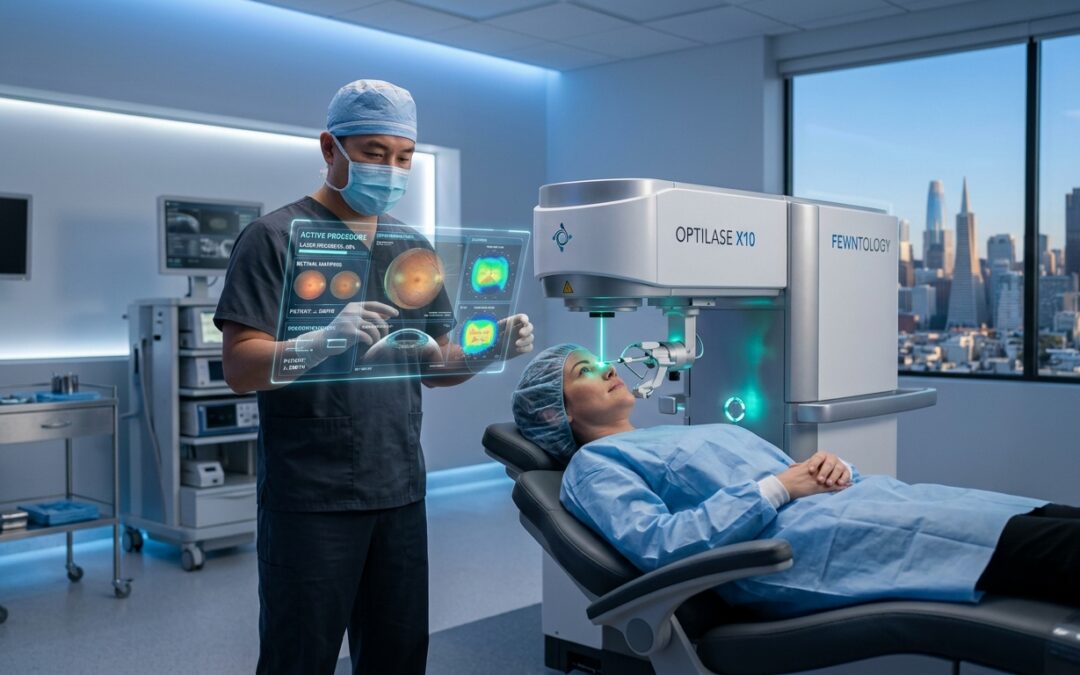
Technology continues to transform the field of laser eye surgery through increasingly advanced diagnostic systems and treatment platforms. Modern clinics now use computer-guided lasers and high-resolution imaging tools that improve surgical accuracy and personalisation.
Artificial intelligence and digital eye mapping technologies are also becoming more integrated into treatment planning, helping practitioners analyse eye structures with greater precision.
These innovations continue to make laser eye surgery safer, faster, and more effective for patients seeking long-term vision correction.
Recovery After Laser Eye Surgery
Recovery following laser eye surgery is generally quick and manageable for most patients. Many individuals notice improved vision within a short period, although full stabilisation may take several weeks depending on the procedure performed.
Some temporary side effects such as mild dryness or light sensitivity may occur during the healing process, but these symptoms usually improve quickly with proper aftercare.
Regular follow-up appointments help monitor healing progress and ensure that the eyes recover properly after treatment.
Emotional and Lifestyle Benefits of Laser Vision Correction
Laser eye surgery can positively impact both physical comfort and emotional wellbeing. Many patients experience greater independence and confidence after reducing reliance on glasses or contact lenses.
Daily routines often become easier and more convenient, particularly for individuals with active lifestyles or demanding professional responsibilities. Improved vision can also contribute to enhanced confidence in social situations and overall quality of life.
As modern lifestyles become increasingly fast-paced and digitally focused, the demand for convenient and effective vision correction solutions continues to grow across the UK.
The Future of Laser Eye Clinics in the UK
The future of laser eye care in the UK is expected to focus heavily on precision technology, personalised treatment planning, and minimally invasive procedures. Advancements in artificial intelligence and robotic-assisted laser systems are likely to improve treatment accuracy even further.
Future laser technologies may also offer faster recovery times, enhanced comfort, and more customised vision correction options tailored to individual eye structures.
As innovation continues, laser eye clinics will remain an important part of modern healthcare by providing safe, effective, and life-changing vision correction solutions.
Conclusion
Modern laser eye clinics represent a major advancement in vision correction and precision eye care throughout the UK. By combining advanced laser technology, detailed diagnostic imaging, and professional medical expertise, these clinics provide highly effective solutions for common refractive vision problems.
From LASIK and PRK to newer procedures such as SMILE, laser eye surgery continues to offer patients safer, more personalised, and long-lasting alternatives to traditional corrective eyewear.
As technology evolves and patient expectations continue to grow, laser vision correction is expected to become even more advanced, accessible, and patient-focused in the years ahead.
Frequently Asked Questions
What conditions can laser eye surgery treat?
Laser eye surgery is commonly used to treat short-sightedness, long-sightedness, and astigmatism by reshaping the cornea to improve visual clarity.
Is laser eye surgery permanent?
Most laser eye procedures provide long-term vision correction, although natural age-related changes in vision may still occur over time.
How long does recovery take after laser eye surgery?
Many patients notice improved vision within a few days, although complete healing and visual stabilisation may take several weeks depending on the procedure.
Is laser eye surgery painful?
Modern laser eye surgery is generally considered comfortable because numbing eye drops are used during treatment. Some patients may experience mild temporary irritation after the procedure.
Who is suitable for laser eye surgery?
Suitability depends on factors such as age, eye health, corneal thickness, and prescription stability. A detailed eye examination is required before treatment.
Can laser eye surgery remove the need for glasses completely?
Many patients significantly reduce or eliminate their dependence on glasses and contact lenses after treatment, although results vary depending on individual vision conditions.
Are laser eye procedures safe?
Laser eye surgery is considered very safe when performed by qualified specialists using advanced technology and proper clinical protocols.