Melasma is one of those skin concerns that can feel genuinely frustrating, not because it is dangerous, but because it is stubborn. You try a new serum, things look a bit better for a few weeks, and then the patches creep back, sometimes darker than before. If that sounds familiar, you are far from alone, and at The Wellness and Beauty Clinic we see this exact pattern in clients across all skin tones on a regular basis.
The good news is that melasma can be managed effectively with the right approach. The key word there is managed, because melasma tends to respond well to consistent, correct treatment but can flare up again if triggers are not kept in check. This guide walks through what melasma actually is, what genuinely helps, and what to realistically expect along the way.
What Is Melasma and Why Does It Happen
Melasma is a common skin condition that causes brown or greyish brown patches, usually on the cheeks, forehead, upper lip, and sometimes the jawline. It happens when pigment producing cells in the skin, called melanocytes, become overactive and produce excess melanin in certain areas. Unlike a simple sunspot, melasma tends to appear in larger, more symmetrical patches rather than small isolated spots.
It is significantly more common in women than men, and it is particularly linked to hormonal changes, which is why it often appears during pregnancy, sometimes referred to as the mask of pregnancy, or while taking hormonal contraception. It can affect any skin tone, though it tends to be more noticeable and more persistent in medium to darker skin tones due to the way melanin behaves in those skin types.
Common Triggers
Understanding what triggers melasma is honestly just as important as the treatment itself, because if the triggers are not addressed, even the best treatment plan will struggle to hold results long term.
Sun exposure is the single biggest trigger. Even brief, everyday sun exposure, like walking to the shops or sitting near a window, can be enough to stimulate melanocytes and darken existing melasma.
Hormonal changes play a major role too. Pregnancy, hormonal birth control, and hormone replacement therapy can all trigger or worsen melasma due to shifts in oestrogen and progesterone levels.
Heat is an often overlooked trigger. Beyond sun exposure specifically, general heat from things like hot yoga, saunas, or standing over a hot stove can stimulate pigment production in those already prone to melasma.
Certain skincare products or treatments that irritate the skin can also trigger a flare, since inflammation itself can stimulate melanin production in sensitive or reactive skin.
Why Melasma Is Tricky to Treat
Melasma sits deeper in the skin than a typical sunspot or patch of hyperpigmentation, which is part of why it takes longer to fade and why aggressive treatments can sometimes make it worse rather than better. Treatments that cause too much heat or irritation can actually trigger more pigment production, which is the opposite of what you want. This is why melasma treatment tends to favour a gentle, gradual, and consistent approach rather than a single dramatic fix.
Topical Treatments That Help
At home skincare plays a genuinely important role in managing melasma, and for many people it forms the foundation of their treatment plan. Ingredients such as azelaic acid, tranexamic acid, vitamin C, niacinamide, and in some cases prescription strength hydroquinone under professional guidance can all help to gradually fade pigment and prevent new patches from forming. Retinoids can also support cell turnover, though they need to be introduced carefully since irritation can worsen melasma rather than improve it.
Consistency matters far more than intensity here. A gentle routine followed daily for several months will almost always outperform an aggressive routine used sporadically, simply because melasma responds to steady, non irritating treatment over time.
In Clinic Treatments
Beyond home skincare, several in clinic treatments can support faster and more even fading when used correctly and under professional guidance.
Chemical peels using gentle acids can help exfoliate pigmented cells at the surface and encourage more even skin tone, though the specific type and strength of peel needs to be chosen carefully for melasma prone skin.
LED light therapy can support skin calming and repair without the heat related risks that come with more intense treatments, making it a gentler option for those with active melasma.
Microneedling, when performed by an experienced practitioner using appropriate settings, can help support product absorption and skin renewal, though it needs to be approached cautiously in melasma due to the risk of triggering inflammation.
It is worth being honest here that certain laser treatments, particularly more intense or heat generating lasers, can actually worsen melasma in some cases by triggering additional pigment production. This is why melasma treatment plans should always be tailored individually rather than following a generic hyperpigmentation protocol, and why a proper skin consultation matters so much before starting any in clinic treatment.
The Role of Sun Protection
If there is one single non negotiable part of managing melasma, it is daily sun protection. This is not an exaggeration. Without consistent SPF, even the best treatment plan will struggle to hold results, and melasma will likely return or worsen regardless of what else you are doing.
A broad spectrum SPF of at least 30, ideally 50, applied every single day regardless of weather or season, is essential. Many practitioners also recommend tinted mineral sunscreens containing iron oxide, since these offer additional protection against visible light, which standard sunscreens do not always block and which has been shown to contribute to melasma flares. Reapplying throughout the day, wearing a wide brimmed hat during prolonged outdoor time, and seeking shade where possible all support the same goal of minimising pigment stimulating light exposure.
What to Avoid If You Have Melasma
A few habits are worth avoiding if melasma is a concern for you. Skipping sunscreen on cloudy or cold days is a common mistake, since UV rays and visible light are still present even without direct sunshine. Using harsh scrubs or aggressive exfoliants can trigger inflammation that worsens pigment. Picking at or over exfoliating the skin in an attempt to speed things up usually backfires and can deepen pigmentation rather than fade it. Starting multiple new active ingredients at once also makes it harder to know what is helping and what might be irritating your skin.
Realistic Timeline for Improvement
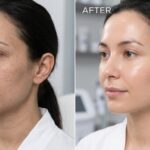
Patience is genuinely part of the treatment process with melasma. Visible improvement from a well managed topical routine typically takes eight to twelve weeks before you notice a meaningful difference, and full results from a combined approach of skincare and in clinic treatment often take several months. Melasma is also a condition that can wax and wane, meaning it may lighten significantly and then flare again with hormonal changes, increased sun exposure, or heat, which is why ongoing maintenance rather than a one time fix is the more realistic long term expectation.
Building a Long Term Skin Routine
Because melasma tends to be a recurring condition rather than something that is cured once and never returns, building sustainable habits matters more than chasing a quick fix. A consistent daily SPF habit, a gentle but effective skincare routine, and periodic in clinic treatments to maintain results tend to work far better long term than intense short bursts of treatment followed by long gaps of neglect.
When to See a Professional
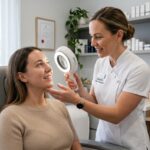
If melasma is affecting your confidence, worsening despite over the counter products, or you are unsure whether what you are seeing is actually melasma rather than another type of pigmentation, it is worth booking a proper skin consultation. A trained practitioner can assess your specific pattern of pigmentation, rule out other causes, and build a treatment plan suited to your skin type and lifestyle rather than a generic approach that may not address your particular case.
At The Wellness and Beauty Clinic, our approach to melasma always starts with understanding your triggers and skin history before recommending any treatment, because getting this part right genuinely makes the difference between results that last and results that fade back within a few months.
Frequently Asked Questions
Can melasma be completely cured? Melasma is generally considered a manageable condition rather than one that is permanently cured, since it can be triggered again by sun exposure, hormones, or heat even after successful treatment.
Is melasma the same as normal sun damage or age spots? No. While all three involve excess pigment, melasma tends to appear in larger, more symmetrical patches and is more closely tied to hormonal influence than typical sun related age spots.
Can I still wear makeup while treating melasma? Yes, makeup does not interfere with melasma treatment and can be a helpful way to feel more confident while your treatment plan takes effect gradually.
Does melasma get worse with age? Not necessarily due to age itself, though continued sun exposure and hormonal changes over the years can contribute to melasma becoming more established if left untreated.
Will melasma go away on its own after pregnancy? For some people, pregnancy related melasma does fade naturally after hormone levels stabilise, though it does not always disappear completely without additional treatment and consistent sun protection.