Turning forty is often described as a turning point for the skin, a moment when many women begin to notice changes that were barely visible in their thirties. Fine lines around the eyes become more defined, skin loses some of its natural bounce, and pigmentation built up over years of sun exposure starts to show through more clearly. Understanding the best anti-ageing treatments for women over 40 has become one of the most searched topics in UK skincare and aesthetics, and for good reason. At The Wellness and Beauty Clinic, we work with women across this age group every single week, helping them understand which treatments genuinely make a difference and which are simply marketing noise.
This article walks through the science of skin ageing after forty, the treatments that consistently deliver results, and how to build a realistic, sustainable approach to ageing well rather than chasing quick fixes that rarely last.
Why Skin Changes So Noticeably After Forty
The forties mark a period of accelerated biological change for the skin, driven largely by hormonal shifts as women approach perimenopause. Oestrogen plays a significant role in maintaining collagen production, skin thickness, and hydration, and as levels begin to decline in the years leading up to menopause, the effects become increasingly visible.
The Role of Collagen Decline
Collagen production naturally decreases with age, but the rate of decline steepens considerably during the forties. Some research suggests women can lose up to two percent of their skin’s collagen density each year during this period, which translates into looser, less elastic skin and the gradual deepening of expression lines that were previously only visible when the face was animated.
Cumulative Sun Damage Becomes Visible
Much of what we perceive as ageing in the forties is actually accumulated sun damage from decades earlier finally becoming apparent. Pigmentation, broken capillaries, and textural changes often take twenty or thirty years to fully surface, which is why many women in this age group notice sun damage appearing even if they have been diligent with sunscreen more recently.
Slower Cell Turnover
Skin cell turnover slows significantly after forty, meaning dead skin cells are not shed as efficiently as they once were. This can leave the complexion looking dull and can also make fine lines and texture more pronounced, since the skin’s surface no longer reflects light as smoothly as it did in earlier decades.
Non-Surgical Treatments Worth Considering
The good news for women over forty is that non-surgical aesthetic treatments have advanced considerably, offering meaningful results without the downtime, cost, or risk associated with surgical procedures.
Anti-Wrinkle Injections
Anti-wrinkle injections remain one of the most requested treatments among our clients in this age group, particularly for softening lines around the forehead, between the eyebrows, and around the eyes. These treatments work by temporarily relaxing the underlying muscles responsible for repetitive facial expressions, reducing the appearance of dynamic lines without affecting the ability to express emotion naturally when performed by an experienced practitioner.
Dermal Fillers for Volume Restoration
As the face loses natural fat pads and bone density changes subtly with age, many women notice a loss of volume in the cheeks, temples, and around the mouth. Dermal fillers, when used thoughtfully and conservatively, can restore this volume, softening the appearance of nasolabial folds and re-establishing a more youthful facial contour without looking overdone.
Skin Boosters and Hydration Treatments
Skin boosters, which involve injecting hyaluronic acid directly into the skin rather than targeting specific wrinkles, have become increasingly popular for improving overall skin quality, hydration, and radiance. Many women over forty find these treatments particularly effective for addressing the crepey texture that can develop on the cheeks and under the eyes.
Chemical Peels for Texture and Tone
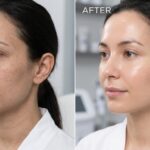
Chemical peels use active acids to accelerate cell turnover, helping to fade pigmentation, smooth texture, and improve overall skin tone. For women over forty dealing with sun damage or uneven pigmentation, a structured course of peels can produce noticeably brighter, more even-looking skin over a period of several weeks.
Microneedling and Collagen Induction Therapy
Microneedling creates controlled micro-injuries in the skin, stimulating the body’s natural collagen production process. This treatment is particularly well suited to addressing fine lines, mild scarring, and overall skin firmness, and is often combined with serums or platelet-rich plasma to enhance results further.
Building a Long-Term Skincare Foundation
While in-clinic treatments can deliver noticeable improvements, they work best when combined with a consistent, well-considered daily skincare routine tailored to the specific needs of ageing skin.
The Non-Negotiable Role of SPF
Daily sun protection remains the single most important factor in preventing further sun damage and slowing visible ageing. Even in the UK’s often overcast climate, UVA rays capable of accelerating skin ageing penetrate cloud cover, meaning daily SPF application, regardless of season, is essential for anyone serious about maintaining healthy, youthful-looking skin.
Introducing Retinoids Gradually
Retinoids remain one of the most well-researched ingredients for addressing fine lines, texture, and pigmentation. For women over forty who have not previously used retinoids, introducing them gradually, starting with a lower concentration a few times a week, helps the skin adjust without excessive irritation while still delivering meaningful long-term benefits.
Prioritising Hydration From Within and Without
Skin hydration becomes increasingly important as natural oil production slows with age. Layering hydrating serums containing ingredients like hyaluronic acid underneath a nourishing moisturiser helps maintain the skin’s barrier function, while adequate water intake and a balanced diet support hydration from within.
What to Expect From a Consultation Focused on Anti-Ageing Goals
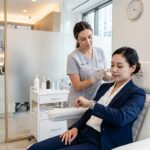
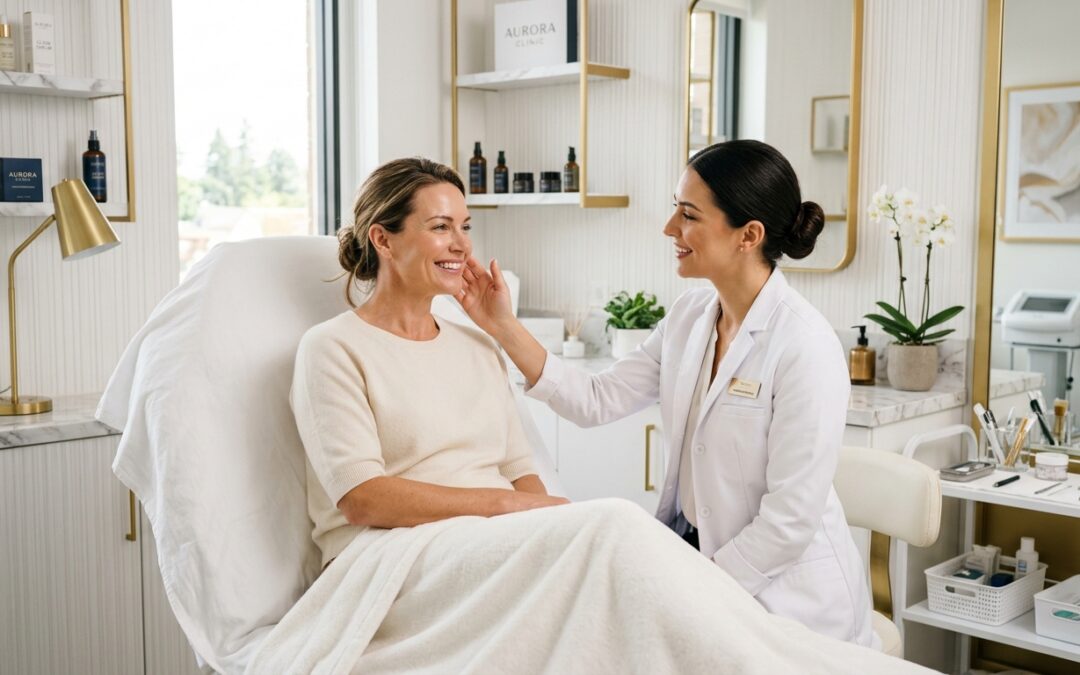
Many women feel uncertain about where to start when addressing ageing concerns for the first time. Our approach at The Wellness and Beauty Clinic begins with understanding exactly what happens during an aesthetic consultation, a process we cover in detail in our dedicated guide on what happens during an aesthetic consultation, which explains the full assessment process from start to finish.
Assessing Individual Skin Concerns
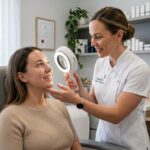
Every consultation begins with a thorough assessment of your specific skin concerns, taking into account factors such as skin type, medical history, lifestyle, and personal goals. This assessment ensures any recommended treatment plan is tailored specifically to you rather than following a generic, one-size-fits-all approach.
Setting Realistic, Honest Expectations
We believe strongly in setting realistic expectations rather than overpromising dramatic transformations. Your practitioner will explain what a given treatment can realistically achieve, how many sessions might be needed, and how results typically develop over time, allowing you to make a genuinely informed decision.
Combining Treatments for Comprehensive Results
Many of our clients over forty achieve their best results by combining multiple treatments rather than relying on a single approach in isolation.
Layering Injectables With Skin Quality Treatments
Combining anti-wrinkle injections or dermal filler with skin quality treatments such as skin boosters or peels often produces more comprehensive, natural-looking results than either approach alone, addressing both structural changes and overall skin texture simultaneously.
Addressing Pigmentation Alongside Anti-Ageing Concerns
Many women over forty are dealing with pigmentation and uneven skin tone at the same time as more traditional signs of ageing. Our detailed guide on how to reduce pigmentation and uneven skin tone explores this topic further and pairs well with a broader anti-ageing treatment plan.
Skin Tightening as a Complementary Treatment
For women noticing looser skin around the jawline or neck, non-surgical skin tightening treatments can complement injectable and resurfacing treatments effectively. Our article on skin tightening treatments without surgery explains how these technologies work and who tends to benefit most.
Common Concerns and Misconceptions
Women considering anti-ageing treatments for the first time often carry misconceptions that can create unnecessary hesitation or, alternatively, unrealistic expectations.
The Fear of Looking “Overdone”
One of the most common concerns we hear is a fear of looking artificial or overdone. When performed conservatively by an experienced, qualified practitioner, modern aesthetic treatments are designed to enhance natural features gradually rather than dramatically alter appearance, with subtlety being the guiding principle behind most reputable clinical practice today.
Believing It Is “Too Late” to Start
Many women mistakenly believe that once certain signs of ageing appear, treatment becomes less effective or pointless. In reality, most non-surgical treatments remain highly effective throughout the forties, fifties, and beyond, with many women only beginning their aesthetic journey during this decade and achieving excellent, natural-looking results.
Assuming All Treatments Involve Significant Downtime
While some treatments do involve a period of visible recovery, many of the most popular options for women over forty, including anti-wrinkle injections and skin boosters, involve minimal to no downtime, allowing clients to return to normal activities almost immediately after their appointment.
Understanding the Difference Between Medical and Beauty Treatments
As you research anti-ageing options, you will likely come across both medical aesthetic clinics and traditional beauty salons offering seemingly similar treatments. Understanding this distinction matters considerably for both safety and results, and our article explaining the difference between medical aesthetics and beauty treatments covers this important topic in depth, helping you choose the right type of provider for your specific goals.
Why Practitioner Qualifications Matter
Treatments involving injectables, medical-grade peels, or advanced skin resurfacing technology should always be carried out by qualified, insured practitioners with recognised medical or nursing backgrounds, rather than providers operating outside proper regulatory oversight.
The Importance of a Proper Medical History Review
A thorough medical history review is a hallmark of a genuinely medical aesthetic approach, ensuring any underlying health considerations, medications, or contraindications are properly accounted for before treatment begins, something that should never be skipped regardless of how minor a treatment may seem.
Lifestyle Factors That Support Treatment Results
Aesthetic treatments work best when supported by broader lifestyle habits that promote healthy, resilient skin over the long term.
The Impact of Sleep on Skin Repair
Skin repair and collagen production occur predominantly during sleep, making consistent, quality rest an often-overlooked factor in maintaining youthful skin. Chronic sleep deprivation has been linked to accelerated visible signs of ageing, including finer, more pronounced lines and reduced skin elasticity.
Nutrition and Antioxidant Support
A diet rich in antioxidants, healthy fats, and adequate protein supports the skin’s ability to repair itself and resist oxidative stress, one of the key contributors to premature ageing at a cellular level.
Managing Stress and Its Visible Effects
Chronic stress elevates cortisol levels, which can break down collagen and impair the skin’s natural barrier function over time. Incorporating stress management techniques into your routine, whether through exercise, mindfulness, or simply prioritising downtime, can have a genuinely visible impact on skin health over months and years.
Why Choose The Wellness and Beauty Clinic for Your Anti-Ageing Journey
Choosing the right clinic matters enormously when it comes to achieving safe, natural-looking results from anti-ageing treatments.
Experienced Practitioners With Medical Backgrounds
Our practitioners bring genuine clinical experience to every consultation and treatment, ensuring recommendations are grounded in medical knowledge rather than sales targets or trend-driven treatment menus.
A Conservative, Natural-Looking Philosophy
We prioritise subtle, natural-looking enhancement over dramatic transformation, working with your existing features rather than attempting to erase every sign of age, an approach that consistently produces results our clients feel genuinely happy with.
Personalised, Long-Term Treatment Planning
Rather than offering one-off treatments in isolation, we build long-term treatment plans designed to evolve with your skin over time, adjusting our recommendations as your goals and skin’s needs change throughout your forties and beyond.
Getting Started With Your Consultation
If you are considering anti-ageing treatment for the first time, or looking to refine an existing approach, booking a consultation is the best place to start. Visit The Wellness and Beauty Clinic to explore our full treatment range and arrange your personalised consultation with one of our experienced practitioners.
Frequently Asked Questions
What is the best anti-ageing treatment to start with in my forties?
There is no single best treatment for everyone, as the right starting point depends on your individual skin concerns. Many women begin with a thorough consultation, followed by treatments such as skin boosters or a course of peels to improve overall skin quality before considering more targeted treatments.
How long do results from anti-ageing treatments typically last?
This varies significantly by treatment type. Anti-wrinkle injections typically last three to four months, dermal fillers can last anywhere from six months to two years depending on the product and area treated, while skin quality treatments like peels and microneedling often require a maintenance course every few months.
Is it too late to start treatments if I am already in my fifties?
Not at all. While earlier intervention can help maintain skin quality for longer, non-surgical treatments remain highly effective for women in their fifties and beyond, with many clients achieving excellent, natural-looking results regardless of when they begin.
Are anti-ageing treatments painful?
Most non-surgical anti-ageing treatments involve only mild, brief discomfort, often described as a slight pinching or stinging sensation. Numbing cream is commonly used for treatments involving injections to further minimise any discomfort.
How do I know if a clinic is qualified to perform these treatments safely?
Look for clinics with practitioners holding recognised medical or nursing qualifications, proper insurance, and a thorough consultation process that includes a detailed medical history review before any treatment is recommended or carried out.