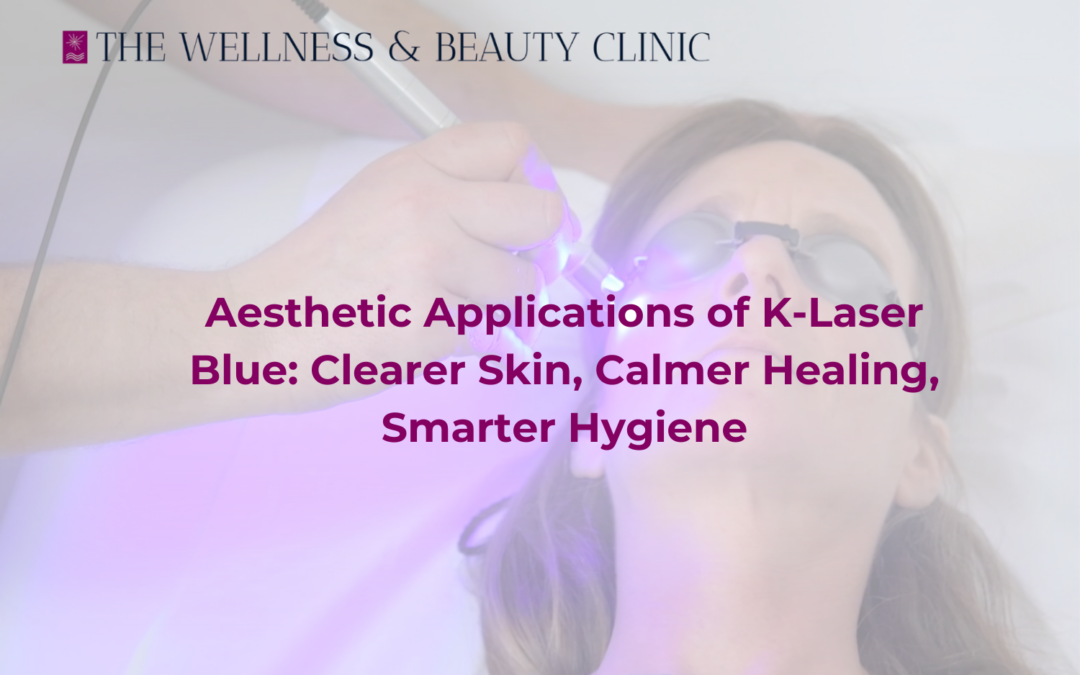
In aesthetics, results depend on skin quality, controlled inflammation, and hygiene. K-Laser Blue brings a 445 nm wavelength with documented antimicrobial properties, making it a compelling adjunct for procedures where microbial control and superficial healing matter—while multi-wavelength PBM supports collagen remodelling and erythema reduction.
Why blue light belongs in the aesthetic toolkit
The 400–470 nm band targets endogenous porphyrins in microbes, generating reactive oxygen species that can inactivate bacteria and disrupt biofilms—one reason blue light has a long track record in acne management and peri-procedural hygiene strategies. A 2019 translational study demonstrated 445 nm laser light’s direct antimicrobial effects without added photosensitisers, strengthening the mechanistic rationale for in-clinic use where hygiene is paramount.
Systematic reviews in dermatology also highlight blue light’s role in acne and surface-level healing, while red/near-IR wavelengths contribute to scar modulation and collagen synthesis—the multi-wavelength principle underpinning K-Laser Blue’s aesthetic protocols.
Where we apply it (selected examples)
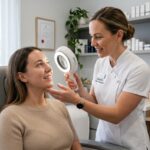
- Post-facial and post-procedure calming: Brief PBM exposures can settle erythema and support barrier function, with blue light providing an added antimicrobial nudge at the surface. Careful dosing avoids over-exposure, which dermatology literature reminds us can be biologically active in both helpful and unhelpful ways—hence protocol control.
- Acne-prone skin care plans: Blue light’s porphyrin-targeting action supports microbial load reduction; pairing this with barrier-respecting skincare and lifestyle guidance often improves clarity over a treatment block.
- Scar and texture programmes: Red/IR PBM can encourage orderly collagen remodelling and reduce discomfort around scars, while blue light can help keep the skin interface cleaner during early phases. Evidence continues to evolve, but practical outcomes (comfort, calm, evenness) justify its considered use.
Safety and sensible boundaries
Because blue light is dose-sensitive and largely superficial, we follow conservative exposure limits and use eye protection. For pigment-prone or photosensitive patients, parameters are adjusted or alternative modalities are chosen. This respects both the promise and the caveats highlighted in recent dermatology literature about blue light’s capacity to generate oxidative stress if misused.
What patients notice
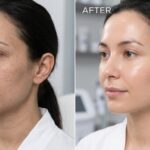
Most describe calmer skin immediately post-procedure, with less lingering redness and a “cleaner” feel over the next 24–48 hours. Over a series, clearer tone, fewer surface flares and more even texture are common—especially when PBM is embedded in a wider plan that includes barrier-supportive skincare and, where needed, targeted in-clinic treatments.
Bottom line: In aesthetics, K-Laser Blue adds hygiene-focused, surface-level control to the proven benefits of red/IR PBM on comfort and collagen. Used within protocol, it’s a smart way to make outcomes cleaner, calmer and more predictable.