The desire for firmer, more lifted skin without the risks, cost, and recovery time associated with surgery has fuelled remarkable growth in non-surgical skin tightening treatments across the UK. Whether the concern is a softening jawline, looser skin around the neck, or general loss of firmness across the face and body, skin tightening treatments without surgery have become one of the most requested categories of treatment at The Wellness and Beauty Clinic. This article explains exactly how these treatments work, which options are available, and how to decide whether non-surgical skin tightening is the right choice for your specific concerns.
Understanding Why Skin Loses Firmness Over Time
Before exploring treatment options, it helps to understand the underlying biological processes that cause skin to lose its firmness in the first place.
The Breakdown of Collagen and Elastin
Collagen provides skin with structure and firmness, while elastin allows it to stretch and return to shape. Both proteins naturally decline with age, and this decline accelerates from the mid-thirties onward, gradually reducing the skin’s ability to maintain a taut, lifted appearance.
The Effects of Gravity and Repeated Movement
Years of gravitational pull combined with repeated facial expressions gradually stretch the skin’s supportive structures. This effect becomes more pronounced once collagen and elastin production has already declined, compounding the visible loss of firmness over time.
Weight Fluctuations and Skin Laxity
Significant weight loss, whether through lifestyle changes or medical weight loss treatments, can leave behind areas of loose or lax skin, particularly around the abdomen, upper arms, and face, as the skin struggles to fully retract to its previous size.
How Non-Surgical Skin Tightening Technology Works
Modern non-surgical skin tightening treatments rely on several distinct technologies, each working through a slightly different mechanism to stimulate the skin’s natural tightening response.
Radiofrequency Energy
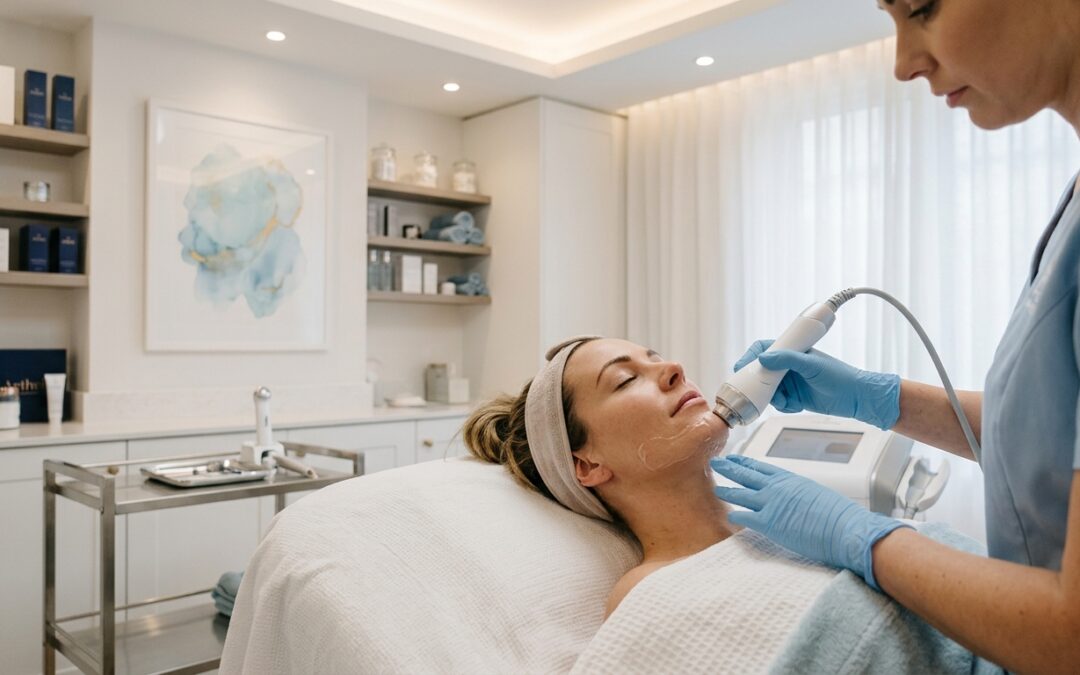
Radiofrequency treatments use controlled heat energy to stimulate collagen production deep within the skin’s dermal layer. The heat causes existing collagen fibres to contract immediately, providing a subtle initial tightening effect, while also triggering the body’s natural wound-healing response, which produces new collagen over the following weeks and months.
High-Intensity Focused Ultrasound
Ultrasound-based skin tightening treatments deliver focused energy beneath the skin’s surface, targeting the deeper structural layers typically addressed during surgical facelifts. This technology is particularly effective for treating looser skin around the jawline, neck, and brow, often producing a subtle lifting effect over several months as new collagen forms.
Microneedling With Radiofrequency
Combining traditional microneedling with radiofrequency energy delivers heat directly into the deeper layers of the skin through fine needles, maximising collagen stimulation while minimising damage to the skin’s surface. This combined approach has become increasingly popular for addressing both skin laxity and textural concerns simultaneously.
Laser-Based Tightening Treatments
Certain laser technologies also stimulate collagen production through controlled heat delivery, often combined with resurfacing benefits that improve overall skin texture and tone alongside firmness.
Areas Commonly Treated With Non-Surgical Tightening
Our clients at The Wellness and Beauty Clinic seek non-surgical skin tightening for a wide variety of concerns across both the face and body.
Jawline and Lower Face
Loss of definition along the jawline is one of the most common concerns driving clients toward non-surgical skin tightening, particularly as this area is highly visible and often one of the first places noticeable laxity develops.
Neck and Décolletage
The neck is particularly prone to visible ageing due to its thinner skin and near-constant movement, making it a popular treatment area for radiofrequency and ultrasound-based tightening technologies.
Under-Eye Area
Crepey, loose skin beneath the eyes can be addressed with gentler, more targeted skin tightening treatments designed specifically for this delicate area, often combined with other treatments to address pigmentation or fine lines simultaneously.
Abdomen and Upper Arms
Body-focused skin tightening treatments are increasingly popular among clients who have experienced weight loss or pregnancy-related skin changes, offering a way to improve skin firmness without surgical intervention.
What Results Can You Realistically Expect
Setting realistic expectations is essential when considering non-surgical skin tightening, as results differ significantly from surgical alternatives like facelifts.
Gradual, Progressive Improvement
Unlike surgery, which delivers immediate, dramatic results, non-surgical skin tightening produces gradual improvement over several weeks to months as new collagen forms within the skin. Most clients notice initial subtle tightening shortly after treatment, with more significant improvement becoming visible over the following two to three months.
The Importance of a Treatment Course
While some improvement can be seen after a single session, most non-surgical skin tightening technologies deliver optimal results through a course of multiple treatments, typically spaced several weeks apart, allowing collagen production to build progressively over time.
Maintenance Requirements
Because non-surgical treatments work with the body’s natural collagen production process rather than physically removing excess skin, periodic maintenance sessions are generally recommended to sustain results over the long term, particularly as natural ageing processes continue.
Who Is a Good Candidate for Non-Surgical Skin Tightening
Understanding whether you are a suitable candidate helps set appropriate expectations before booking treatment.
Mild to Moderate Skin Laxity
Non-surgical skin tightening tends to work best for clients with mild to moderate skin laxity, rather than significant excess skin that would typically require surgical removal to address effectively. Your practitioner will assess your specific level of laxity during consultation to determine whether non-surgical treatment is likely to meet your goals.
Realistic Expectations About the Timeline
Candidates who understand and accept the gradual nature of results, rather than expecting immediate, dramatic change, tend to feel more satisfied with their treatment outcomes than those expecting surgical-level results from a non-surgical approach.
General Good Health
As with most aesthetic treatments, candidates should be in generally good health, without certain medical conditions or medications that could affect healing or increase treatment risk. This is thoroughly assessed during your initial consultation.
What Happens During a Skin Tightening Consultation
Every client considering skin tightening treatment at our clinic begins with a detailed consultation, closely mirroring what happens during an aesthetic consultation for any of our treatments, a process we explain fully in our dedicated article on what happens during an aesthetic consultation.
Assessing Your Specific Areas of Concern
Your practitioner will examine the areas you wish to treat, assessing the degree of skin laxity present and discussing which technology is likely to be most effective for your specific concerns and goals.
Reviewing Your Medical History
A thorough medical history review ensures any underlying health considerations are properly accounted for before recommending a treatment plan, an essential step regardless of how straightforward a treatment might initially seem.
Building a Personalised Treatment Plan
Based on this assessment, your practitioner will recommend a tailored treatment plan, including the number of sessions likely needed and realistic timelines for seeing results, ensuring you feel fully informed before committing to treatment.
Combining Skin Tightening With Other Treatments
Many clients achieve their best overall results by combining skin tightening with complementary treatments addressing other concerns simultaneously.
Pairing With Anti-Ageing Treatments
Skin tightening works particularly well alongside broader anti-ageing treatments, and our detailed guide on the best anti-ageing treatments for women over 40 explores how these approaches can be combined for more comprehensive, natural-looking results.
Addressing Pigmentation Alongside Firmness Concerns
Clients often notice pigmentation and uneven tone alongside skin laxity, particularly on sun-exposed areas like the face, neck, and décolletage. Our article on how to reduce pigmentation and uneven skin tone covers this topic in detail and pairs naturally with a skin tightening treatment plan.
Non-Surgical Versus Surgical Skin Tightening
Understanding how non-surgical treatments compare to surgical options helps clarify which approach might suit your specific situation and goals.
Recovery Time and Downtime
Non-surgical skin tightening treatments typically involve little to no downtime, allowing clients to return to normal activities immediately or within a day or two, compared to the weeks of recovery generally required following surgical procedures like a facelift.
Cost Considerations
While a single non-surgical treatment session is generally less expensive than surgery, the cumulative cost of a full course of sessions, plus ongoing maintenance treatments, should be weighed against the higher upfront cost but longer-lasting results typically associated with surgical intervention.
The Scale of Correction Achievable
Surgical procedures can address more significant skin laxity and provide more dramatic, immediate results, while non-surgical treatments are generally better suited to mild to moderate concerns and clients seeking a more gradual, subtle improvement.
Preparing for Your Skin Tightening Treatment
A few simple preparation steps can help ensure the best possible outcome from your treatment course.
Avoiding Sun Exposure Beforehand
We recommend avoiding significant sun exposure and tanning in the weeks leading up to treatment, as sun-damaged or tanned skin can affect both comfort and results during radiofrequency or laser-based procedures.
Staying Well Hydrated
Well-hydrated skin tends to respond more favourably to heat-based tightening treatments, so maintaining good hydration in the days before your appointment is generally recommended by our practitioners.
Discussing Medications and Skincare Products
Certain medications and active skincare ingredients can affect skin sensitivity, so it is important to discuss your current skincare routine and any medications during your consultation to ensure your treatment plan is adjusted appropriately.
Aftercare Following Skin Tightening Treatment
Proper aftercare supports both comfort and the ultimate effectiveness of your treatment.
Managing Mild Redness and Warmth
It is common to experience mild redness or a warm sensation in the treated area immediately following your session, similar to a light sunburn, which typically resolves within a few hours to a day.
Sun Protection in the Weeks Following Treatment
Treated skin can be more sensitive to UV exposure in the weeks following treatment, making daily sunscreen application particularly important to protect your results and prevent further sun-related damage.
Supporting Collagen Production Through Skincare
Using skincare products containing ingredients that support collagen production, such as vitamin C and peptides, can complement the effects of in-clinic treatments and help maintain results between sessions.
Why Choose The Wellness and Beauty Clinic for Skin Tightening
Selecting an experienced, well-equipped provider makes a genuine difference to both the safety and effectiveness of your skin tightening treatment.
Advanced, Clinically Proven Technology
We invest in equipment backed by clinical research and proven safety profiles, ensuring our clients receive treatment based on genuine efficacy rather than unproven or trend-driven technology.
Practitioners With Genuine Clinical Expertise
Our practitioners bring proper medical training and experience to every treatment, understanding the underlying skin science necessary to achieve safe, effective, and natural-looking results.
Honest, Realistic Consultations
We prioritise honest conversations about what a given treatment can realistically achieve, ensuring you make a fully informed decision rather than being oversold on results that may not be achievable for your specific concerns.
Book Your Skin Tightening Consultation
If you are considering non-surgical skin tightening, the best first step is booking a thorough consultation. Visit The Wellness and Beauty Clinic to learn more about our full range of treatments and arrange your personalised assessment.
Frequently Asked Questions
How many sessions of skin tightening will I need?
This varies depending on the technology used and your individual level of skin laxity, but most clients require a course of three to six sessions to achieve optimal results, with maintenance treatments recommended periodically afterward.
Is non-surgical skin tightening painful?
Most clients describe the sensation as a warm or hot feeling during treatment, generally well tolerated without the need for anaesthetic. Some treatments may feel more intense than others depending on the technology and treatment area.
How soon will I see results after treatment?
Some initial tightening may be noticeable shortly after treatment due to immediate collagen contraction, but more significant results typically develop gradually over two to three months as new collagen production continues.
Can non-surgical skin tightening replace a facelift?
For clients with significant skin laxity, non-surgical treatments are unlikely to achieve the same dramatic results as surgery. However, for mild to moderate laxity, non-surgical options can provide meaningful improvement without the risks and recovery time associated with surgical procedures.
Is skin tightening suitable for all skin types?
Most non-surgical skin tightening technologies are suitable for a wide range of skin types, though your practitioner will assess your specific skin during consultation to confirm suitability and recommend the most appropriate treatment approach.